
Our score
9.3/10
Source
CGReviewHub
Category
Fashion & Jewelry, Accessories
Editorial review
Our honest review
Christian clothing often falls into one of two extremes. Some pieces communicate the message clearly but feel more like event merchandise than clothing you would actually build an outfit around. Others look polished enough for everyday wear but reduce faith to a tiny decorative symbol that carries little meaning beyond aesthetics. Elevated Faith has grown by trying to occupy the space between those two approaches.

That distinction matters because Elevated Faith is no longer a small shop built around a handful of Christian bracelets. The catalog now stretches across jewelry, oversized tees, hoodies, denim, outerwear, phone cases, kids clothing, tumblers, accessories and collectible subscriptions. You can enter the brand with a bracelet that costs only a few dollars or spend considerably more on heavier apparel designed to function as a statement piece.
But catalog size is not what makes this brand interesting. The more important question is whether the physical products are good enough to support the meaning attached to them. A faith-centered message can make a piece emotionally valuable, but it does not automatically make thin fabric, poor plating, awkward sizing or weak construction acceptable. Elevated Faith is most convincing when those two sides work together: something meaningful enough to represent your beliefs and wearable enough that you genuinely want to use it.
1. From “Nice Bracelet” to a Faith Conversation: The Idea Elevated Faith Was Built Around
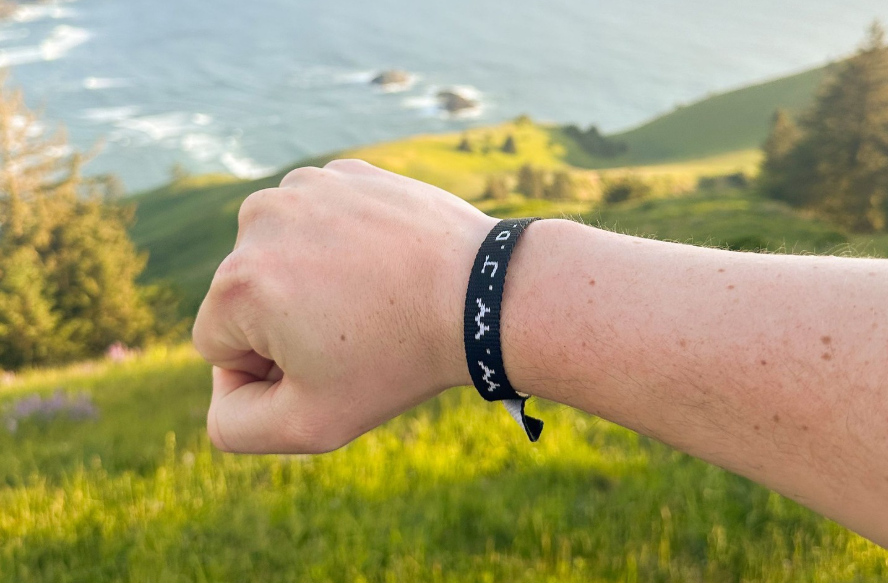
Elevated Faith makes much more sense once you understand the problem its founder was trying to solve. Josh Gander has explained that the idea developed in 2015 from his own difficulty talking openly about his faith. Rather than creating another Christian merchandise store simply because the market existed, he imagined wearable products that could make those conversations easier. A person notices a bracelet, asks about it, and suddenly there is a natural reason to explain what it represents.
That might sound like a small distinction, but it shapes the brand surprisingly well. Elevated Faith products are often designed to function in two directions at once. They can act as personal reminders for the wearer while remaining visible enough to invite curiosity from other people. A ring, bracelet or shirt can therefore have value even before anyone comments on it, but the possibility of a conversation is built into the product concept.
This is also why the strongest Elevated Faith designs do not feel like random Bible verses printed onto blanks. The better pieces use recognizable symbols, short phrases or concepts that remain understandable even when the person seeing them does not immediately know the scripture reference behind them. The message is meant to be wearable first and explainable second.
That approach will not matter equally to every buyer. If you simply want a neutral hoodie or inexpensive ring, the storytelling behind the product may not justify paying extra. But for someone who wants faith to be part of what they wear rather than something separate from it, the original conversation-starter idea gives Elevated Faith a clearer purpose than many generic Christian gift shops.
2. It Has Grown Into a Faith-Lifestyle Brand, Not Just a Jewelry Store
One of the easiest ways to misunderstand Elevated Faith is to think of it primarily as a bracelet or jewelry company. Those products remain important, but the current catalog is far broader. The brand offers hundreds of items across apparel, jewelry, accessories, kids products and lifestyle categories, allowing customers to express the same underlying identity at very different levels of visibility.
That range matters because Christian fashion buyers do not all want the same thing. Some people are comfortable wearing a large graphic across the back of a hoodie. Others may prefer a narrow ring, small necklace or bracelet that carries meaning without dominating an outfit. Elevated Faith accommodates both buyers rather than forcing everyone into one aesthetic.
The apparel side has also become noticeably more ambitious. There are basic graphic tees, but there are also heavyweight pieces, denim, fleece and embroidered designs that are intended to function as clothing first rather than merely surfaces for Christian messaging. At the other end of the spectrum, phone cases, stickers, tumblers and smaller accessories make the brand accessible to people who like the concept but do not necessarily want faith-themed clothing in every outfit.
This breadth gives Elevated Faith one of its strongest competitive advantages: you can choose how loudly you want to express the message. A bracelet can be subtle. A back-print tee can be obvious. A denim jacket can become the centerpiece of an outfit. That flexibility makes the brand easier to live with than one built entirely around oversized scripture graphics.
The downside is that a catalog this large can become overwhelming. Not every item deserves equal attention, and browsing hundreds of products can make it difficult to understand where the brand is actually strongest. A better way to evaluate Elevated Faith is to look at several products that represent different levels of the range.
3. Four Products Reveal More About Elevated Faith Than Hundreds of Listings
The WWJD Bracelet is probably the simplest expression of the brand's original philosophy. At around $4.99 at the time of this review, it is inexpensive enough to function as an impulse purchase, small gift or low-risk introduction to Elevated Faith. It is adjustable, offered in multiple colors and closely matches the idea that a small object can become a conversation starter. You are not paying for complicated materials here. You are paying for symbolism, accessibility and the ability to wear the message without committing to a full piece of apparel.
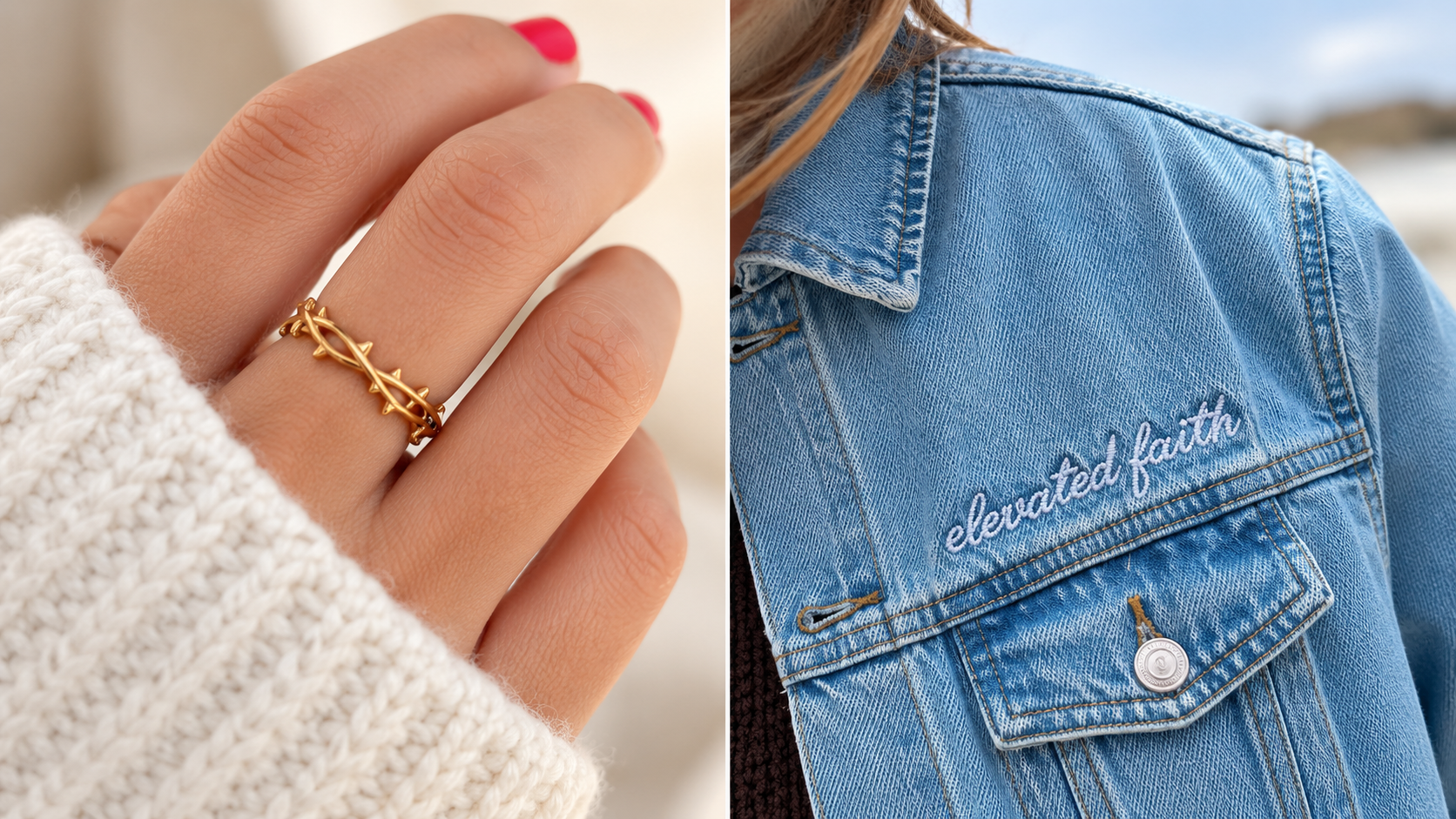
The Crown of Thorns Ring moves the brand into a slightly more refined category. At around $19.99, it uses 316L stainless steel with 18K gold plating and turns an immediately recognizable Christian symbol into something compact enough for everyday wear. This is not fine jewelry, and buyers should not evaluate it against solid-gold rings costing hundreds of dollars. Within accessible fashion jewelry, however, stainless steel is a more reassuring foundation than an unspecified base metal because it generally offers better durability for repeated wear.
Then there is the Created by the Creator Unisex Tee, currently positioned around the mid-$30 range. This product says more about Elevated Faith's apparel strategy because the value is not based entirely on the graphic. The shirt uses 100% cotton, is pre-shrunk and follows the oversized unisex silhouette that appears throughout much of the brand's clothing. Here, the question becomes less about whether you like the phrase and more about whether the fit, fabric and visual execution make it something you would reach for regularly.
At a higher level, the What a Friend In Jesus Denim Jacket shows what happens when Elevated Faith treats the garment itself as part of the design. The jacket uses heavyweight 13 oz denim and includes embroidery and more developed detailing. At roughly $70, it is no longer an inexpensive piece of Christian merchandise. It is a proper clothing purchase, and that higher price only makes sense if you appreciate the material weight, construction and styling in addition to the message.
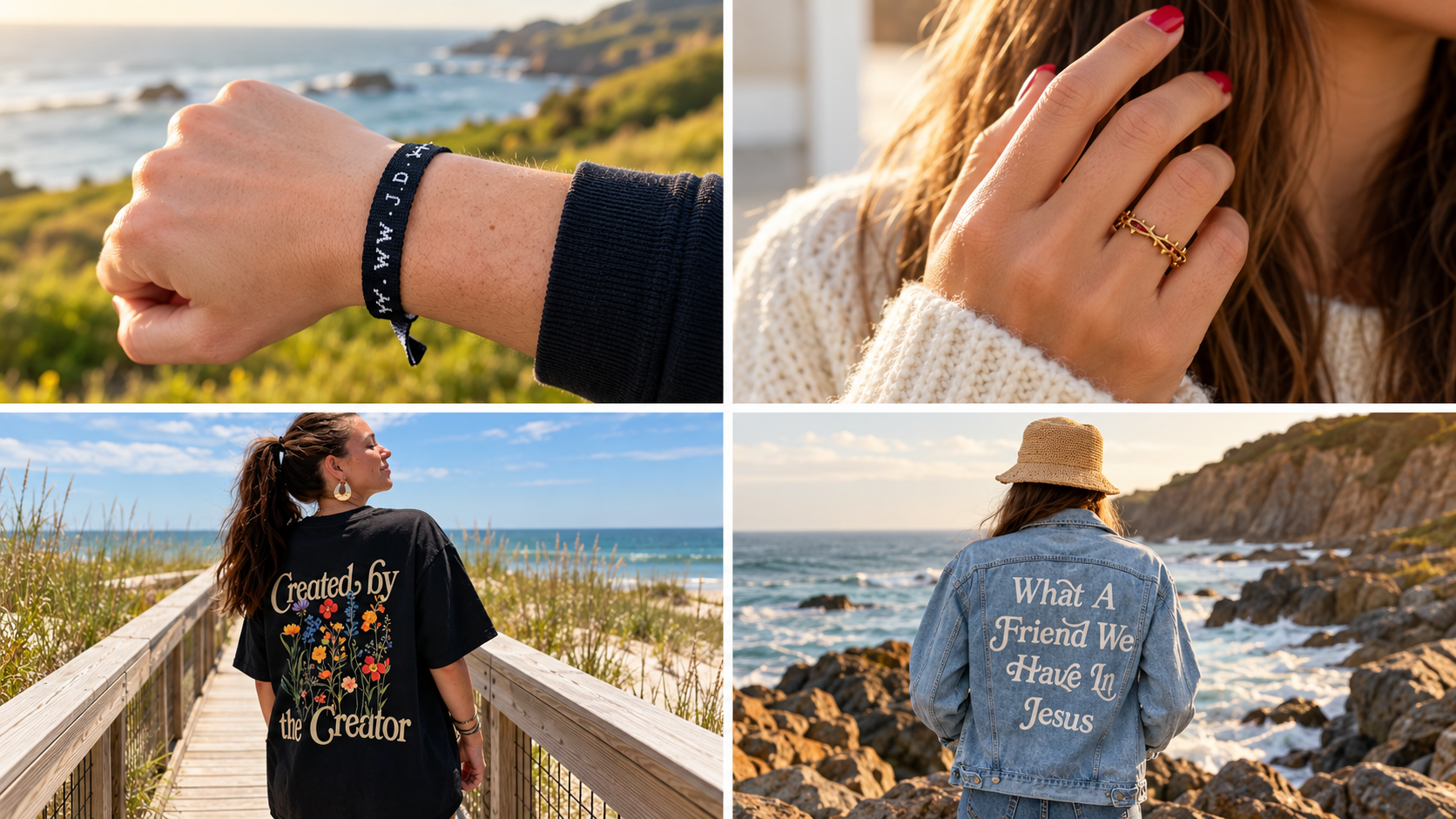
Together, these four products reveal the entire pricing and design philosophy. Elevated Faith can be very inexpensive when the symbolism is the main value, but its more compelling pieces increasingly ask you to pay for message plus material execution. That is where the brand becomes more interesting than a standard faith-gift store.
4. Message vs. Materials: Where the Quality Actually Justifies the Concept
The hardest question for any purpose-driven apparel brand is whether the story is doing too much of the work. Buyers may accept a small premium because they identify with the mission, but that goodwill disappears quickly if a shirt feels disposable or a piece of jewelry loses its finish after minimal wear. Elevated Faith therefore deserves to be judged on physical construction rather than protected by the emotional appeal of its messaging.
On the apparel side, the brand looks strongest when it moves beyond basic printing. 100% cotton, pre-shrunk tees give shoppers a clearer idea of what they are buying than vague fabric descriptions, while heavyweight denim and embroidery create tangible reasons for more expensive pieces to cost more. The denim jacket is a useful example because fabric weight, stitching and embroidered details can be felt and seen independently of the Christian theme. Even if the artwork were removed, there would still be a garment to evaluate.
Jewelry requires slightly more restraint. The Crown of Thorns Ring uses 316L stainless steel with 18K gold plating, which is appropriate for affordable fashion jewelry but should not be mistaken for heirloom construction. Elevated Faith describes pieces like this as water resistant, yet its broader jewelry-care guidance still recommends avoiding perfume, lotions and repeated unnecessary water exposure. That is sensible. Plated jewelry can be durable when treated well, but no plating should be assumed to remain visually unchanged forever.
That distinction is especially important for buyers who see “water resistant” and interpret it as permission to shower, swim, exercise and expose the piece to skincare products indefinitely. Elevated Faith's care guidance effectively tells you to be more conservative. Removing jewelry before prolonged water exposure and storing it properly will likely extend its appearance.
So does the quality live up to the message? In the better-designed products, yes, with realistic expectations. Elevated Faith is most convincing when you can identify exactly what you are paying for beyond the scripture or symbolism: heavier fabric, embroidery, stainless steel, thoughtful silhouettes or detailing. The weaker value proposition would be any item where the design message is doing almost all of the work.
5. Oversized Does Not Mean One Size Fits Everyone
Sizing deserves more attention here than it would in a conventional jewelry review because Elevated Faith leans heavily into relaxed, unisex silhouettes. An oversized tee can look intentional on one person and simply too large on another, especially if the buyer assumes their usual size will produce a standard fit.
The Created by the Creator Tee, for example, is explicitly designed as an oversized unisex fit. That means staying with your usual size is likely to preserve the intended dropped, relaxed silhouette. If you prefer something closer to the body, sizing down may make more sense. The important point is not that one option is correct. It is that buyers should decide whether they want the styling shown in the product photography before choosing a size.
Model measurements become unusually useful here. Rather than looking only at the letter on the tag, pay attention to how the garment sits on the model's shoulders, where the sleeve ends and how far the body extends below the waist. Oversized clothing often looks better when those proportions are deliberate. Simply ordering larger because you want “room” can produce much more volume than expected.
Rings have the opposite problem. There is no relaxed interpretation of ring sizing, and the Crown of Thorns Ring is offered in fixed sizes rather than an adjustable format. Elevated Faith provides a dedicated sizing guide, so measuring before purchase is worth doing rather than guessing based on another ring you own.
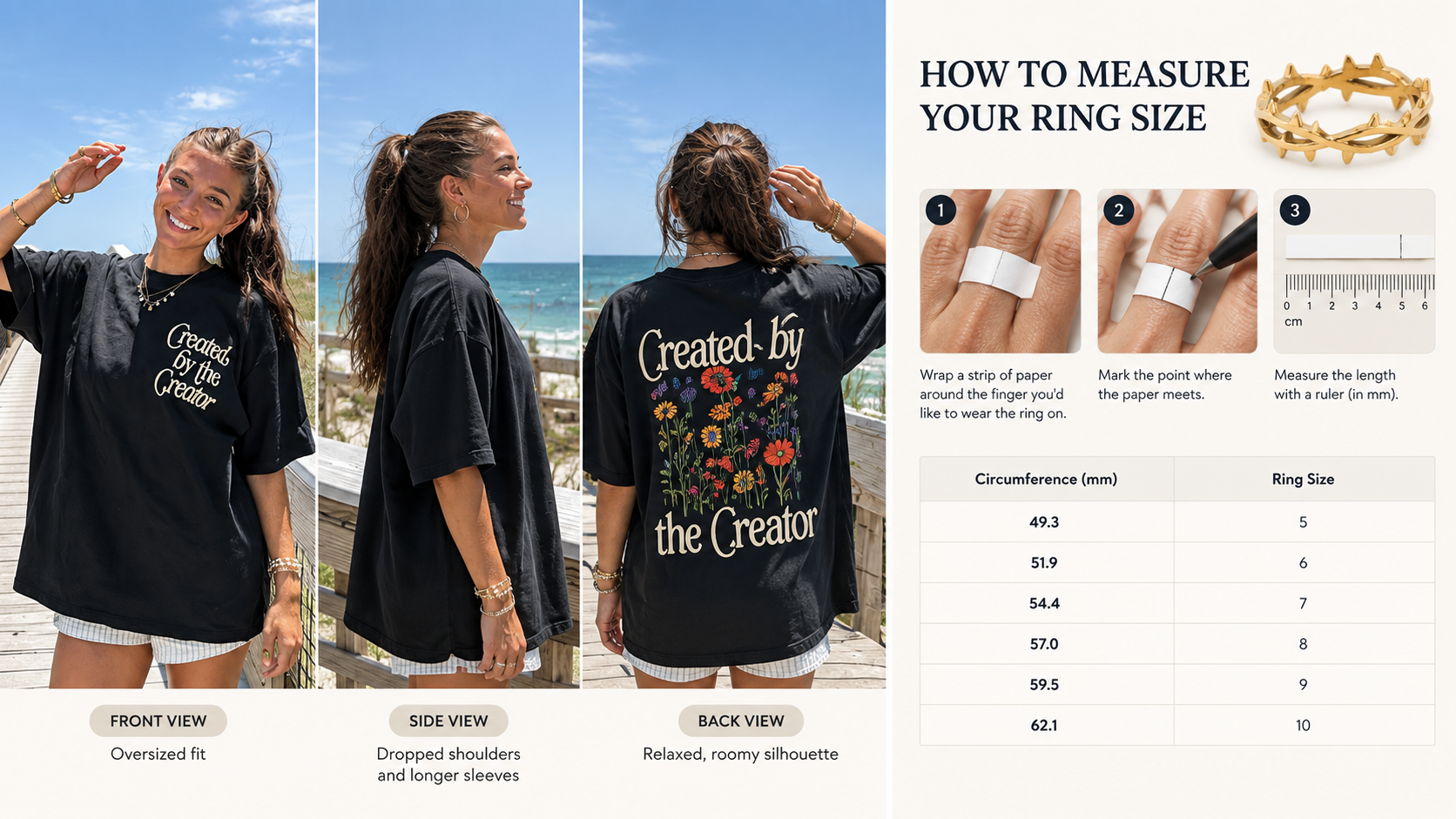
This matters even more because return and exchange rules differ by category. Rings have more restrictive eligibility than ordinary apparel, so a sizing mistake can create more inconvenience than ordering the wrong tee. The practical lesson is simple: use product measurements for clothing and physically measure your finger for rings instead of relying on instinct.
6. The Value Ladder: What You Actually Get at $5, $20, $35 and $70+
Elevated Faith is unusual because its price range lets shoppers interact with the brand at very different levels. At the bottom, a WWJD bracelet costing around $5 makes the brand almost frictionless to try. Around $15 to $20, rings and simple jewelry become small gifts or everyday accessories. Tees commonly move into the $35 to $45 range, while hoodies, crewnecks and denim often climb into the $60 to $70 range. Selected fleece and outerwear can reach roughly $80 to $110.
That ladder matters because “Is Elevated Faith expensive?” does not have one useful answer. A $5 bracelet is difficult to call expensive. A $70 hoodie is a different decision entirely. At that level, buyers are no longer evaluating only the Christian message. They are comparing fabric, print or embroidery quality, fit and design against mainstream streetwear and lifestyle apparel.
For a first purchase, the best value may actually sit in the middle rather than at either extreme. A bracelet is easy to try but tells you little about apparel quality. Premium outerwear provides the fullest expression of the brand but asks for a larger commitment before you know whether the aesthetic suits you. A tee or lower-priced jewelry piece gives you a better sense of the design language without making the purchase feel overly consequential.
The subscription side adds another layer. Elevated Faith offers recurring options such as its Sticker Club and Bracelet Club, and the company says a portion of profits from these memberships supports Christian charities. Those subscriptions make the most sense for collectors, younger buyers, gift-givers or people who genuinely enjoy receiving new faith-themed items on a recurring basis. Someone who simply wants one good shirt does not need them.
Ultimately, Elevated Faith offers the strongest value to buyers who count meaning as part of what they are purchasing. If you strip away the symbolism and compare only fabric or metal cost, there will usually be cheaper alternatives. If the message, design and charitable identity are also important to you, the comparison changes.
You can browse Elevated Faith to compare current prices across bracelets, jewelry, tees and outerwear before deciding which tier makes the most sense for your budget.
7. The Giving Model Makes the Mission More Concrete
Many values-driven brands say that purchases “support a cause,” but those statements can become vague very quickly. Elevated Faith gives buyers more specific information about how charitable giving fits into the business. The company says it donates a portion of profits to Christian organizations and runs a recurring Charity Day on the first Thursday of each month, when 50% of that day's profits are directed to a featured organization.
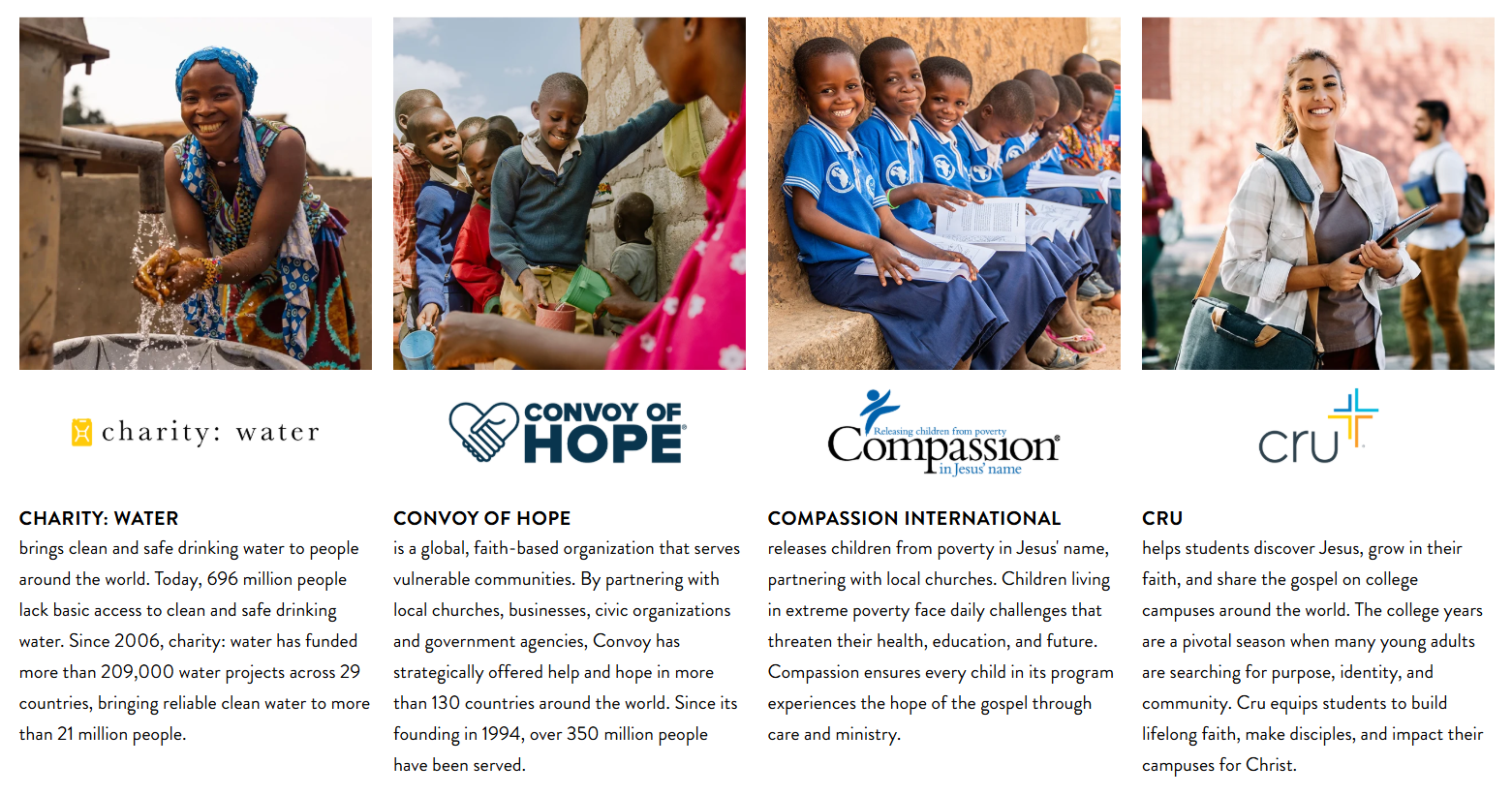
The brand also publicly identifies charitable partners, including organizations such as charity: water, Convoy of Hope, Compassion International and Cru. Subscription products have their own giving language, with Elevated Faith stating that 10% of profits from club subscriptions go toward Christian charities.
That specificity matters because it makes the mission easier to understand. The company is not simply saying that “every purchase makes a difference” without explaining how. Buyers can see the mechanism, frequency and examples of organizations involved. It reinforces the idea that Elevated Faith wants to be understood as a faith-oriented business rather than a fashion label using Christian imagery because it happens to sell.
At the same time, responsible reviewing requires an important distinction. These figures are company-published commitments, not an independent audit of every donation. That does not make the claims meaningless, but it does mean they should be described as what Elevated Faith reports rather than treated as independently verified financial data.
For buyers who already care about the products, the charitable component is therefore a meaningful bonus rather than the only reason to purchase. A hoodie still needs to be a good hoodie. A ring still needs to feel worth wearing. Giving strengthens the story, but it should not replace product quality.
8. The Fine Print Matters More Than the Checkout Page Makes It Feel
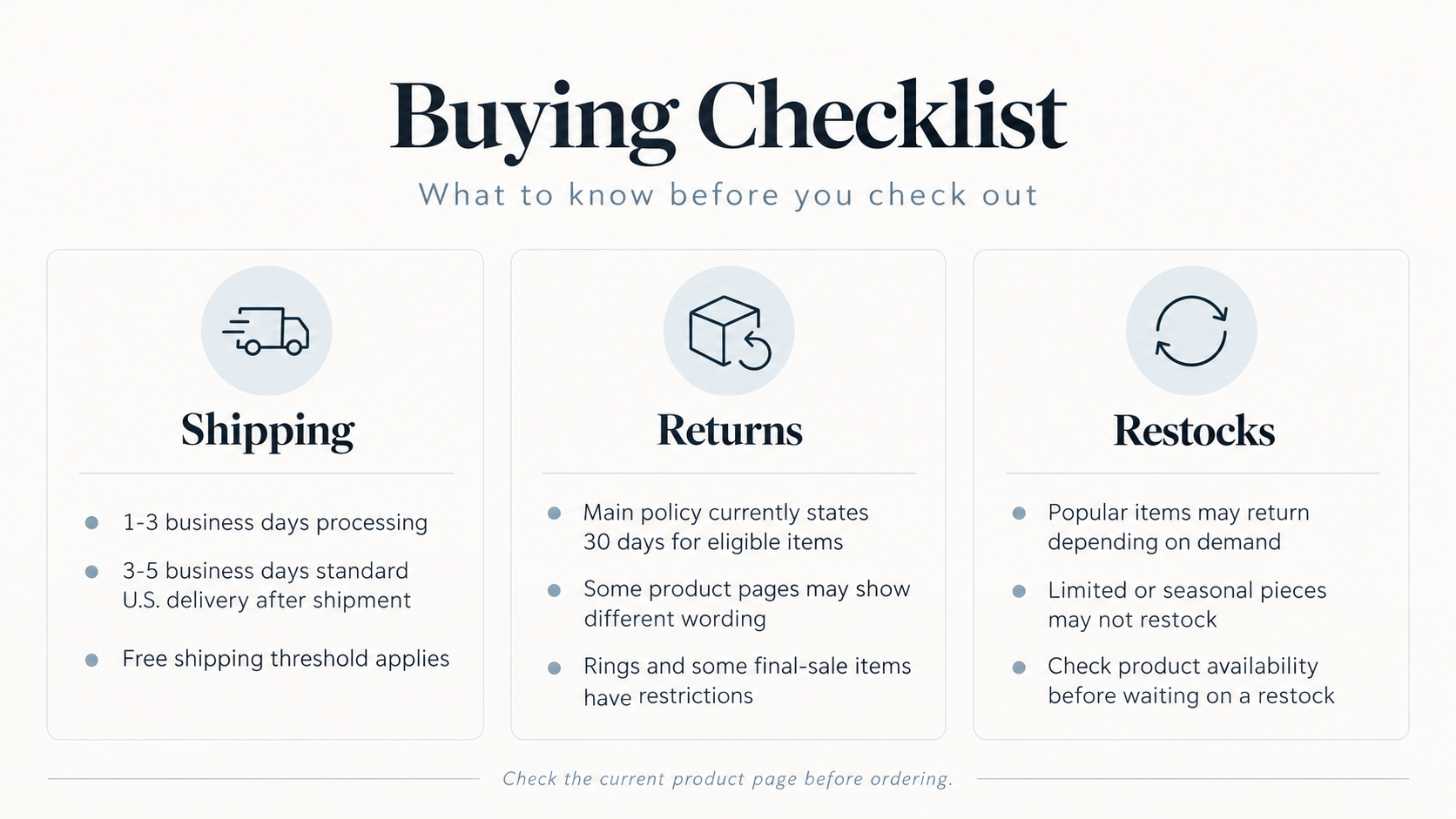
The practical buying experience is where shoppers should slow down. Elevated Faith's shipping terms are relatively easy to understand: current guidance lists around 1 to 3 business days for processing, followed by approximately 3 to 5 business days for standard US delivery after shipment. Free-shipping thresholds are also published, with different minimums for domestic and international orders.
International buyers need to remember that the advertised order total may not be the final cost. Duties, taxes and import fees can still be charged when the parcel enters the destination country. That is standard for many international retailers, but it matters more when purchasing lower-priced items because an unexpected import fee can materially change the value of a $20 or $30 order.
Returns are the part that deserves the most attention. The main return policy currently describes a 30-day window for eligible merchandise, while some individual product pages still display 35-day wording. More importantly, not every category follows the same rules. Rings, subscription items, phone cases, stickers and certain other products can have narrower eligibility, and ring purchases may be exchangeable without being normally refundable.
That inconsistency is not a reason to avoid Elevated Faith, but it is a reason to read the exact product page instead of assuming one blanket return rule applies everywhere. Apparel buyers generally have a more forgiving path than someone purchasing a ring or final-sale item.
Restocks can also be unpredictable. Elevated Faith says popular designs may return depending on demand and supplier availability, while limited or seasonal products may disappear permanently. That creates some urgency around particular drops, but buyers should still avoid purchasing simply because something might sell out. Limited availability is useful information, not a reason to ignore fit or value.
Finally, jewelry care belongs in this practical section as much as it belongs in the quality discussion. If you plan to wear a plated ring every day, follow the brand's care recommendations rather than treating it like solid precious metal. A few simple habits can make the ownership experience much better.
9. Customer Feedback Suggests the Brand Works Best When Expectations Are Realistic
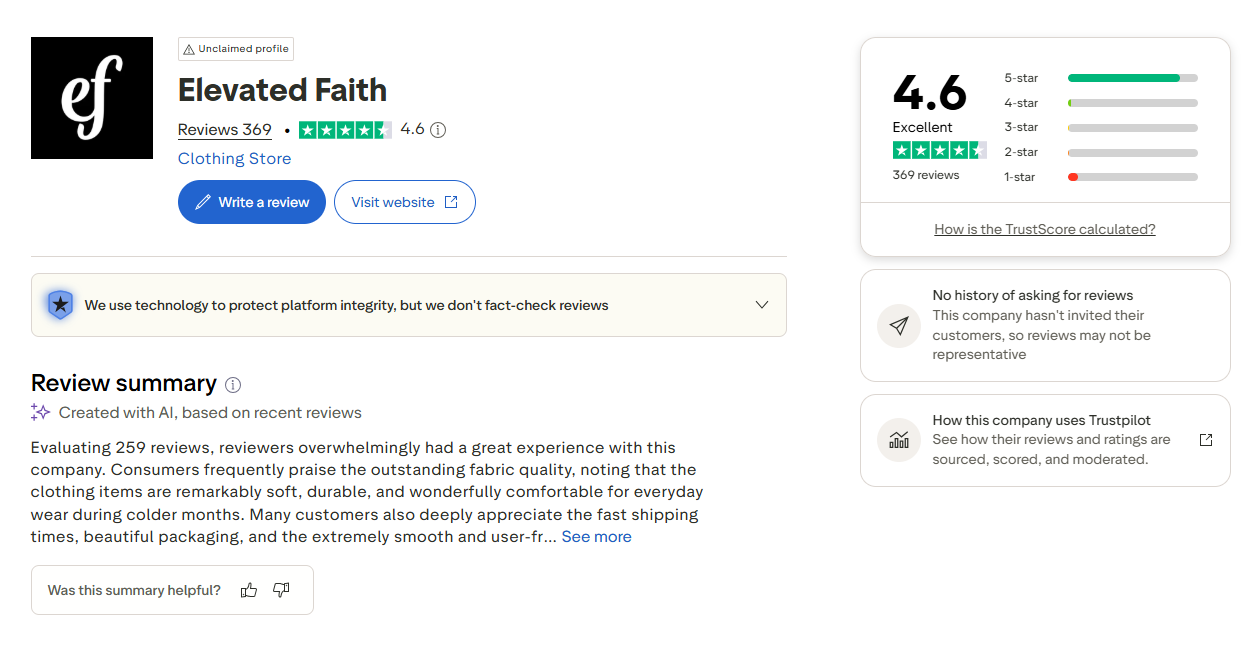
Independent feedback is one of the better ways to separate attractive product photography from the actual ownership experience. At the time of this review, Elevated Faith held a strong Trustpilot rating of roughly 4.6 out of 5 from hundreds of reviews, with the majority of reviewers awarding five stars.
The most useful positive themes are practical ones. Customers frequently mention soft fabrics, comfortable clothing, attractive designs, easy ordering and satisfactory delivery. Those comments matter because they address things buyers cannot fully judge from product images. A shirt may photograph well, but repeated comments about softness and comfort provide a better indication of how the clothing feels once it arrives.
Negative experiences exist as well. A smaller number of reviewers describe delivery problems or frustration when trying to resolve an issue with customer support. That pattern is worth mentioning because fulfillment problems often feel much larger to the person affected than they look in an average star rating. A brand can have excellent overall feedback and still occasionally fail an individual customer.
The important thing is not to misuse reviews. Customer feedback can tell us about fit, comfort, fabric feel, shipping and support, but it should not be used as proof that a product produces spiritual, emotional or health-related outcomes. Those are personal experiences rather than measurable product claims.
So who is Elevated Faith actually best for? The strongest fit is someone who already likes the visual style and genuinely values faith expression as part of the product. That buyer is more likely to appreciate why a simple bracelet matters, why a scripture-inspired graphic feels different from a generic print and why the charitable side of the business adds value.
Someone who cares only about getting the cheapest possible tee, hoodie or plated ring has much less reason to choose Elevated Faith. There are cheaper basics everywhere. The brand becomes compelling when design, belief and everyday wearability matter together.
For new buyers, the smartest route is probably not to start with the most expensive item in the catalog. A tee, bracelet or mid-priced jewelry piece gives you a useful first impression of the aesthetic, packaging and overall experience. If that works for you, moving into heavier outerwear or more statement-driven pieces makes much more sense.
Explore Elevated Faith With the Right Expectations
Elevated Faith succeeds because the products are not asking buyers to choose between meaning and style quite as often as many Christian merchandise brands do. The original conversation-starter concept still makes sense across the range, whether it appears in a $5 bracelet, a symbolic ring or a much more substantial piece of apparel.
The brand is especially appealing when the physical construction gives you a reason to care about the product even before considering the message. Heavyweight denim, embroidery, thoughtful oversized silhouettes and stainless-steel jewelry all make the proposition stronger. The weaker purchases are likely to be the ones where you personally connect with neither the design nor the meaning, because in that situation cheaper alternatives become difficult to ignore.
The most important buying advice is therefore simple: choose the product first, not just the slogan. Check the material, fit, care requirements and return eligibility. Decide whether you actually like the piece enough to wear it regularly. Then consider the faith message and giving mission as part of the value rather than an excuse to overlook the basics.
If that combination fits what you are looking for, Elevated Faith is worth exploring. Compare the current collection, available sizes and product-specific policies before checking out, then start at the level that feels right for you, whether that is a simple conversation-starting bracelet or a more substantial piece designed to become part of your everyday wardrobe.
What we like
- Faith-centered designs feel tied to a clear brand purpose rather than generic Christian merchandise
- Wide range of jewelry, apparel, accessories, kids products and gifts
- Low-cost entry products make the brand easy to try before buying premium apparel
- Several apparel pieces use substantial cotton, heavyweight denim and embroidered details
- Monthly Charity Day and ongoing giving add substance to the brand mission
- Strong independent customer feedback for comfort, fabric quality and ordering experience
- Large catalog offers both subtle faith symbols and more visible statement designs
What could improve
- Oversized and unisex apparel requires more attention to sizing
- Water-resistant jewelry still needs sensible care to preserve its finish
- Return eligibility varies by product, with rings and several smaller items carrying restrictions
- Hoodies, jackets and fleece can cost noticeably more than basic alternatives
- International customers may need to pay duties and taxes